
Inside a Diesel Truck Inspection: 10 Key Areas Mechanics Check
A truck inspection is about much more than looking under the hood and checking whether the engine starts. A qualified diesel mechanic examines the engine, fluids, electrical systems, brakes, tires, steering, suspension, and other components that can affect safety and reliability.
For owner-operators and fleet managers, a thorough inspection can identify problems before they become expensive breakdowns or leave a truck sitting on the side of the road.
What Does a Diesel Mechanic Check?
A diesel mechanic typically checks the engine, transmission, fluids, cooling system, fuel system, battery and charging system, brakes, tires, steering, suspension, lights, and other safety-critical components. The mechanic may also perform a computer diagnostic scan to identify fault codes or operating problems that may not be visible during a basic visual inspection.
The exact inspection depends on the truck, its condition, mileage, operating environment, and reason for the inspection.
What Does a Diesel Mechanic Check During a Truck Inspection?
A professional diesel mechanic generally works through the truck systematically rather than checking only the component that appears to be causing trouble.
Here are some of the major areas they inspect.
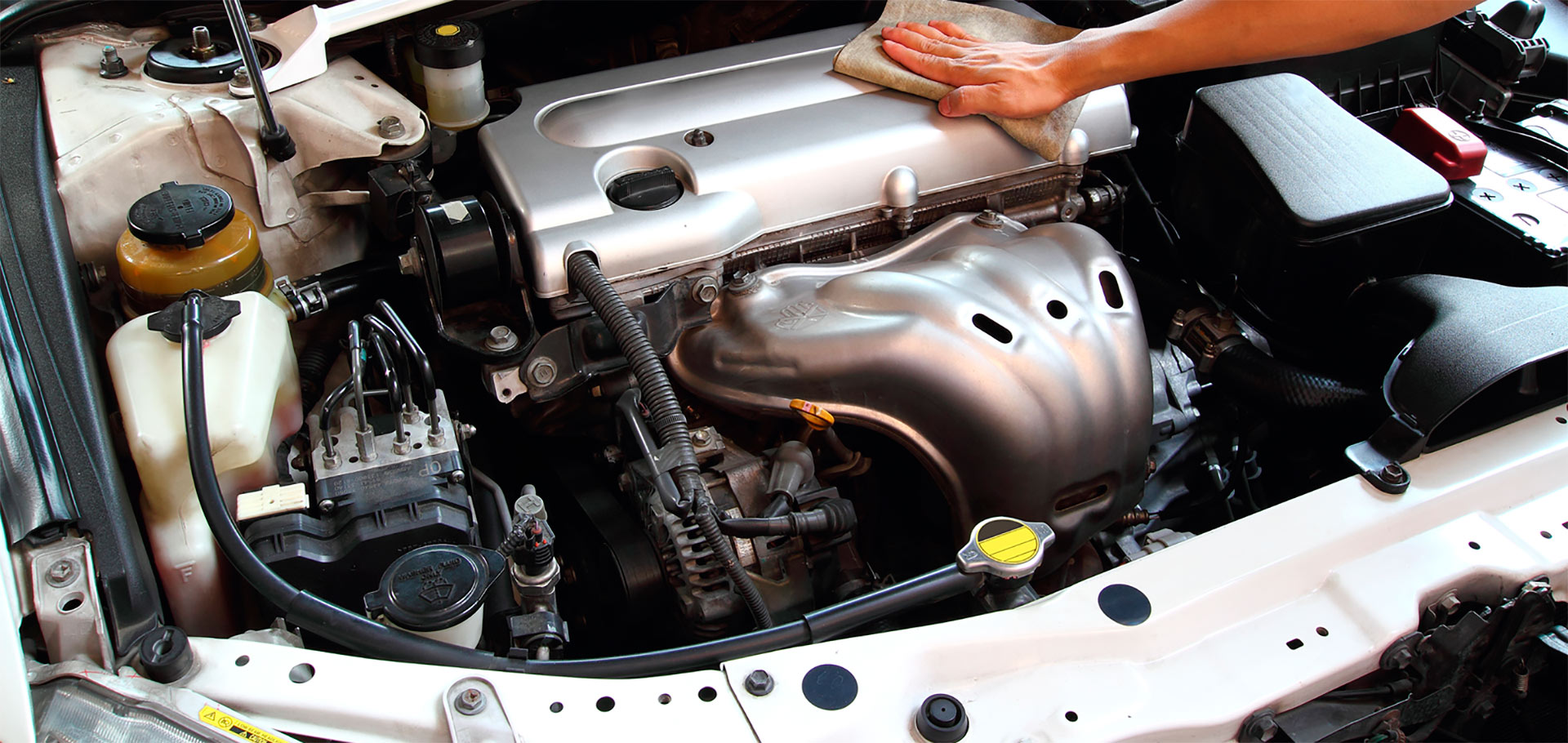
1. Engine Condition
The engine is one of the first areas a diesel mechanic evaluates because engine problems can become expensive quickly.
The mechanic may inspect for:
- Oil leaks
- Coolant leaks
- Unusual engine noises
- Excessive smoke
- Damaged hoses and belts
- Abnormal engine temperatures
- Low or abnormal fluid levels
- Signs of overheating
- Visible damage around engine components
Depending on the situation, the mechanic may also evaluate engine performance, idle quality, starting behavior, and acceleration.
A visual inspection can reveal obvious problems, but some engine issues require additional testing or diagnostics.
2. Computer Diagnostic System
Modern diesel trucks rely heavily on electronic control systems. A diesel mechanic inspection may therefore include connecting a diagnostic scanner to the truck’s onboard computer.
The scan can help identify stored or active fault codes related to systems such as:
- Engine performance
- Fuel injection
- Emissions
- Sensors
- Transmission
- Aftertreatment systems
- Electrical components
A diagnostic code does not always tell the mechanic exactly which part has failed. It is usually a starting point for further testing.
That’s why professional diagnosis involves interpreting the code alongside symptoms, test results, and the truck’s operating condition.
3. Oil, Coolant and Other Fluids
Fluids provide important clues about a truck’s condition.
A mechanic may check:
- Engine oil level and condition
- Coolant level and condition
- Transmission fluid
- Power steering fluid
- Brake fluid where applicable
- Differential or axle lubricant
- Other manufacturer-recommended fluids
They may also look for leaks around seals, hoses, fittings, reservoirs, and other components.
Low fluid levels can sometimes indicate a leak or another underlying mechanical problem rather than simply meaning the truck needs to be topped off.
4. Fuel System
Diesel fuel problems can affect starting, power, fuel economy, and overall engine performance.
During an inspection, a mechanic may examine components such as the fuel filters, fuel lines, connections, injectors, and related systems.
Depending on the symptoms, additional testing may be necessary to determine whether a fuel delivery problem is responsible for hard starting, rough running, loss of power, or poor performance.
5. Cooling System
A diesel engine produces significant heat, so the cooling system needs to operate properly.
The mechanic may inspect:
- Radiator
- Coolant hoses
- Thermostat
- Water pump
- Cooling fans
- Belts
- Radiator condition
- Coolant level
Signs of coolant leakage or overheating should not be ignored. Continued operation with a cooling problem can potentially lead to serious engine damage.
6. Batteries and Charging System
Starting problems are not always caused by the engine itself.
A mechanic may test the truck’s batteries and inspect:
- Battery terminals
- Cables
- Alternator
- Starter
- Charging voltage
- Signs of corrosion
- Wiring connections
Weak batteries or charging-system problems can cause intermittent starting issues that become especially frustrating during long-distance operations.
7. Brakes
Brakes are among the most important safety systems on a commercial truck.
Depending on the truck’s configuration, a mechanic may inspect components such as brake chambers, hoses, drums or rotors, pads or shoes, and other related parts.
For air-brake-equipped trucks, the mechanic may also evaluate the air system and look for leaks or other conditions that could affect braking performance.
Brake inspections should never be treated as a minor part of routine maintenance.
8. Tires and Wheels
Tire problems can create safety risks and unexpected downtime.
A diesel mechanic may check:
- Tread condition
- Tire pressure
- Uneven wear
- Cracks or visible damage
- Wheel condition
- Lug nuts
- Signs of abnormal wear
Uneven tire wear can sometimes point to alignment, suspension, or other mechanical problems rather than simply a tire issue.
9. Steering and Suspension
Steering and suspension components affect both vehicle control and ride quality.
The mechanic may inspect components such as:
- Steering linkage
- Tie rods
- Ball joints where applicable
- Shocks
- Springs
- Bushings
- Suspension components
- Related mounting points
Excessive play, worn components, or visible damage may indicate that repairs are needed.
10. Lights and Electrical Components
A truck’s electrical system supports far more than starting the engine.
During an inspection, the mechanic may check headlights, brake lights, turn signals, marker lights, wiring, connectors, and other electrical components.
A failed light may seem like a small issue, but lighting is important for visibility and communication with other drivers.
Why Is a Diesel Mechanic Inspection Important?
A professional diesel mechanic inspection can help identify developing problems before they turn into major repairs.
For an owner-operator, finding a problem early can mean avoiding an unexpected breakdown during a load.
For fleet managers, inspections can help identify maintenance needs across multiple vehicles and reduce preventable downtime.
An inspection can also help when you’re experiencing symptoms that are difficult to diagnose, such as intermittent power loss, poor fuel economy, unusual noises, hard starting, or warning lights.
How Often Should a Diesel Truck Be Inspected?
There isn’t one inspection interval that works for every diesel truck.
Inspection and maintenance schedules depend on factors such as:
- Manufacturer recommendations
- Truck age
- Mileage
- Operating conditions
- Load and duty cycle
- Fleet maintenance policies
- Previous repair history
- Type of use
Commercial vehicles also have regulatory inspection and maintenance requirements that may apply depending on the vehicle and operation.
A routine maintenance inspection and a regulatory safety inspection are not necessarily the same thing. A mechanic may perform a much broader diagnostic evaluation when you’re investigating a mechanical problem.
What Happens After the Inspection?
Once the mechanic completes the inspection, they should explain what they found and separate urgent repairs from items that can be monitored or scheduled later.
A useful inspection report should make it easier to understand:
- What is currently wrong
- What needs immediate attention
- What may become a problem later
- What repairs are recommended
- Which components were checked
- Whether additional diagnostic testing is necessary
This information is particularly valuable for fleet managers who need to prioritize repairs across multiple trucks.
Common Questions About Diesel Truck Inspections
What does a diesel mechanic check first?
The inspection usually depends on the reason for bringing the truck in. A mechanic may begin with a visual assessment and then focus on the engine, fluids, diagnostic system, and other components related to the reported symptoms.
Can a diesel mechanic find problems without a diagnostic scanner?
Yes. A visual and mechanical inspection can reveal leaks, worn components, damaged parts, fluid problems, and other issues. However, modern diesel trucks often require electronic diagnostics to investigate warning lights and computer-related faults.
Does a truck inspection include the transmission?
It can. A diesel mechanic may inspect transmission fluid, leaks, shifting behavior, mounts, and other related components. Additional diagnostic testing may be needed when there are shifting or performance problems.
What are signs that my truck needs an inspection?
Warning lights, hard starting, unusual noises, overheating, fluid leaks, loss of power, poor fuel economy, abnormal smoke, brake problems, and unusual vibration are all reasons to have the truck evaluated.
Is a diesel mechanic inspection the same as a DOT inspection?
No. A mechanic’s inspection can be a broader mechanical and diagnostic evaluation, while a DOT inspection is a regulated commercial vehicle safety inspection with specific requirements.
Final Takeaway
A diesel mechanic inspection looks at much more than the engine. A thorough evaluation can cover the engine and diagnostic systems along with fluids, cooling, fuel delivery, electrical components, brakes, tires, steering, suspension, and other safety-related systems.
For truck owners and fleet operators, the biggest benefit is finding developing problems before they turn into roadside breakdowns, expensive repairs, or unnecessary downtime. If a truck is showing unusual symptoms, a professional inspection can help determine what is actually causing the problem instead of relying on guesswork.