
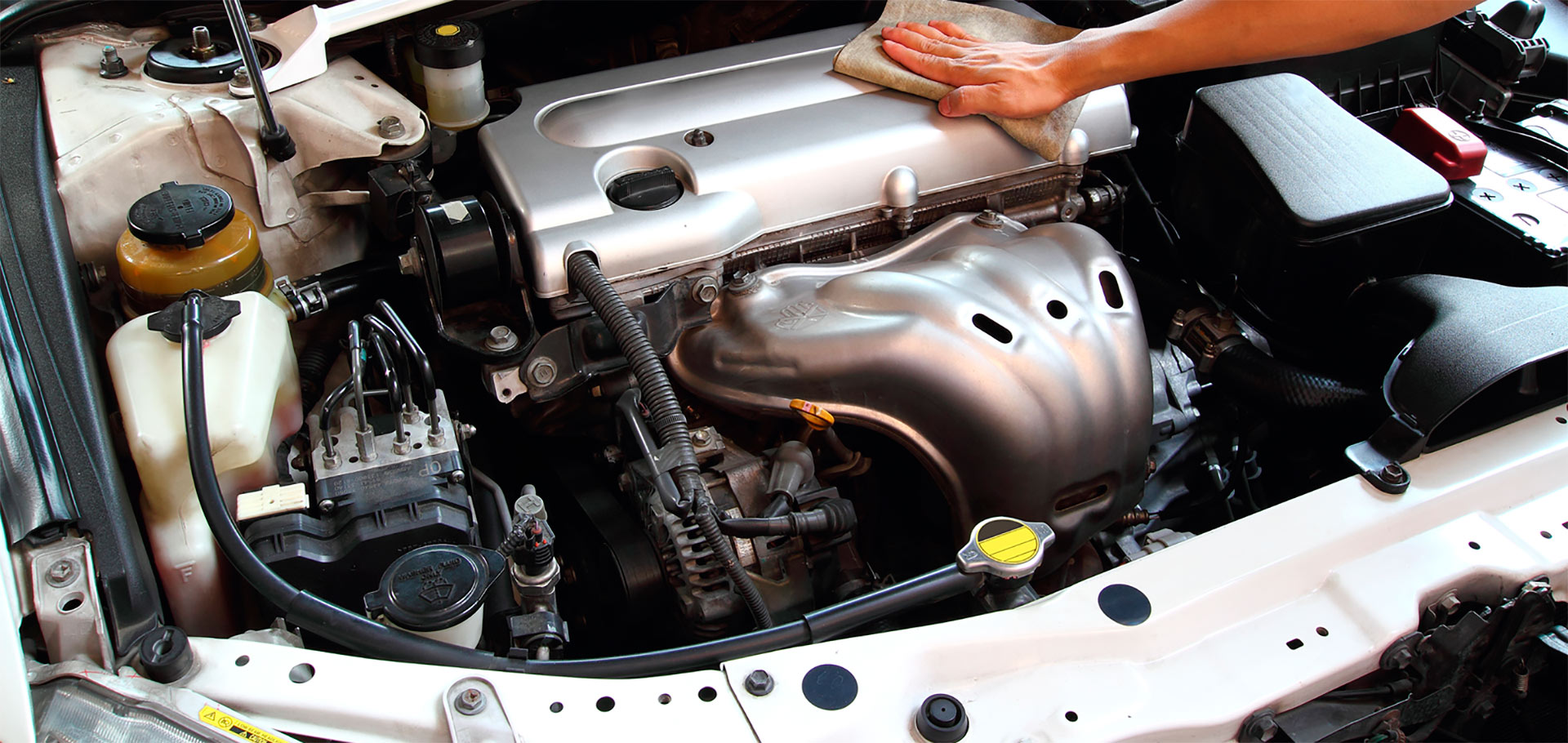
Heavy-duty trucks are built to work hard, but constant mileage, heavy loads, extreme temperatures, and long hours can eventually expose problems in the engine, brakes, tires, electrical system, cooling system, and drivetrain.
For drivers and fleet managers in DFW, catching these problems early matters. A minor issue can quickly become a roadside breakdown, missed delivery, or expensive repair if it is ignored.
The good news is that many heavy duty truck problems give you warning signs before they become major failures. Regular inspections, preventive maintenance, and prompt diagnosis can help keep your truck productive and reduce unexpected downtime.
Quick Answer: What Are the Most Common Heavy-Duty Truck Problems?
The most common problems include engine overheating, electrical and starting failures, brake wear, tire and wheel problems, cooling-system failures, fuel-system issues, aftertreatment/DPF problems, suspension and steering wear, transmission or drivetrain issues, and fluid leaks.
Most can be reduced through scheduled preventive maintenance, regular inspections, proper fluid and tire checks, and addressing warning signs before they become breakdowns. (Truck Repair Expert)
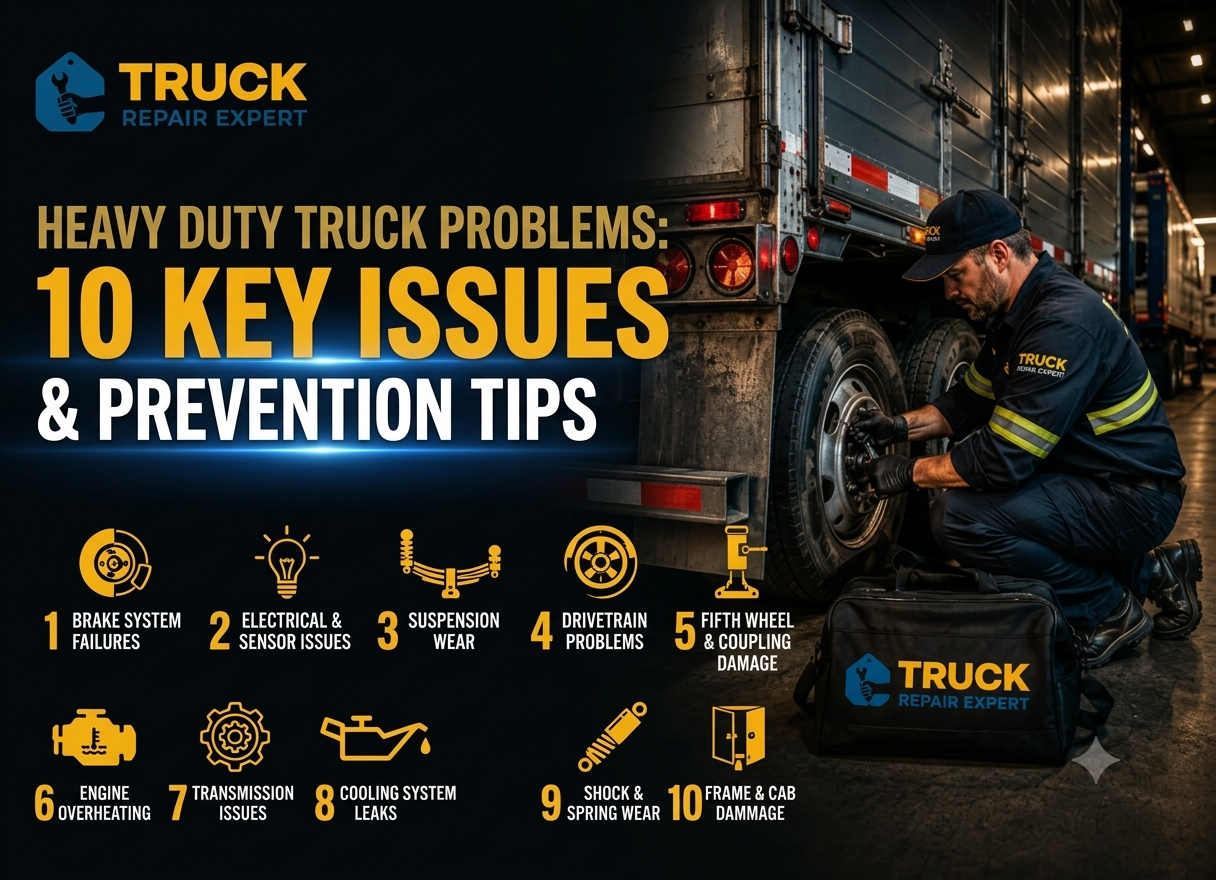
10 Common Heavy Duty Truck Problems and How to Prevent Them
1. Engine Overheating
Overheating is one of the most serious problems a heavy-duty diesel engine can experience. Low coolant, damaged hoses, restricted airflow, radiator problems, thermostat failure, or a faulty fan system can cause engine temperatures to rise.
DFW’s hot summer conditions can put additional stress on cooling systems, making routine inspection especially important. Industry maintenance guidance also identifies cooling-system management as critical because overheating can damage the engine and related aftertreatment components. (Fleet Maintenance)
Prevention tips:
- Check coolant levels regularly.
- Inspect hoses and belts for cracks or leaks.
- Keep the radiator clean.
- Monitor engine temperature.
- Address overheating warnings immediately.
2. Battery and Electrical Failures
A truck may have a mechanically healthy engine but still refuse to start because of a weak battery, alternator problem, damaged wiring, poor connections, or starter failure.
Electrical problems can become particularly frustrating when a truck is stopped away from a service facility.
Prevention tips:
- Test batteries during scheduled maintenance.
- Inspect battery terminals and cables.
- Check alternator output.
- Look for damaged wiring.
- Don’t ignore slow cranking or intermittent electrical faults.
Battery and charging-system testing is an important part of preventive maintenance because it can identify starting problems before they become roadside failures. (Truck Repair Expert)
3. Brake System Wear or Failure
Brake components experience significant heat and friction, particularly on loaded commercial trucks. Worn brake components, air leaks, faulty ABS components, or contaminated systems can affect stopping performance.
Brake problems aren’t simply maintenance concerns—they are safety issues.
Prevention tips:
- Inspect brake components during every scheduled PM.
- Check for air leaks.
- Monitor brake wear.
- Investigate ABS warning lights.
- Have unusual braking behavior inspected immediately.
Excessive brake heat can also affect wheel-end components and seals, creating additional repair problems. (Fleet Maintenance)
4. Tire and Wheel Problems
Tire failures are among the most visible heavy duty truck problems, but many blowouts begin with something that could have been detected earlier.
Underinflation, overloading, uneven wear, alignment problems, damaged wheels, and neglected wheel-end components can all increase failure risk.
Prevention tips:
- Check tire pressure frequently.
- Inspect tread and sidewalls.
- Look for uneven wear.
- Check wheel fasteners and torque.
- Rotate or replace tires according to application and manufacturer recommendations.
For commercial trucks, tire maintenance should be part of the normal daily inspection rather than something done only after a tire fails.
5. Cooling-System Leaks and Component Failures
Not every cooling problem begins with an obvious overheating event. Small coolant leaks, contaminated coolant, damaged hoses, radiator restrictions, water-pump problems, and fan-clutch failures can gradually reduce cooling performance.
Poor cooling-system maintenance can also affect modern diesel aftertreatment components. (Fleet Maintenance)
Prevention tips:
- Inspect coolant levels and condition.
- Look for leaks around hoses and connections.
- Check radiator airflow.
- Follow the manufacturer’s coolant service interval.
- Investigate repeated coolant loss.
6. Fuel-System Problems
Diesel fuel systems require clean fuel and proper filtration. A restricted fuel filter, contaminated fuel, injector problem, or air entering the fuel system can cause hard starting, rough operation, loss of power, or poor fuel economy.
Prevention tips:
- Replace fuel filters according to the maintenance schedule.
- Drain water separators when required.
- Buy fuel from reputable sources.
- Don’t ignore repeated hard-start conditions.
- Diagnose unexplained power loss early.
A truck that starts becoming harder to start or struggles under load should be inspected before the issue develops into a roadside failure.
7. DPF, DEF, and Aftertreatment Problems
Modern diesel trucks rely on sophisticated emissions systems, including DPF, DEF, SCR, and related sensors. Warning lights, regeneration problems, reduced power, or repeated fault codes can indicate an aftertreatment issue.
Aftertreatment systems have become a significant maintenance concern for modern diesel fleets because of their complexity. (Fleet Maintenance)
Prevention tips:
- Never ignore emissions warning lights.
- Use the correct DEF.
- Follow manufacturer regeneration procedures.
- Diagnose recurring fault codes rather than repeatedly clearing them.
- Maintain the engine and cooling system properly.
8. Suspension and Steering Wear
Heavy loads and poor road conditions put significant stress on suspension and steering components. Worn shocks, air bags, tie rods, bushings, or steering components can cause uneven tire wear, poor handling, vibration, or instability.
Prevention tips:
- Inspect suspension components during PM.
- Check air bags for damage or leaks.
- Look for loose or worn steering components.
- Monitor uneven tire wear.
- Investigate new vibrations or handling changes.
These are important heavy duty truck repair issues because ignoring suspension or steering wear can create additional tire and safety problems.
9. Transmission and Drivetrain Problems
Transmission slipping, difficult shifting, unusual noises, vibration, or fluid leaks can indicate developing drivetrain problems.
A small leak or unusual vibration should not automatically be treated as normal wear. Early diagnosis can help determine whether the problem is a minor service issue or a larger mechanical failure.
Prevention tips:
- Check transmission fluid as recommended.
- Inspect for leaks.
- Pay attention to shifting changes.
- Don’t ignore new vibration or drivetrain noise.
- Follow the manufacturer’s service schedule.
10. Fluid Leaks
Oil, coolant, fuel, transmission fluid, or hydraulic fluid underneath a truck should never simply be ignored.
A small leak can indicate a worn seal, damaged hose, loose connection, or failing component. If the fluid level drops far enough, the original leak can lead to much more serious mechanical damage.
Prevention tips:
- Inspect underneath the truck during daily checks.
- Check fluid levels regularly.
- Identify the type and location of a leak.
- Repair damaged hoses and seals promptly.
- Never assume a recurring leak is harmless.
AEO/GEO Quick-Answer Table
| Heavy Duty Truck Problem | Common Warning Signs | Likely Causes | Prevention |
|---|---|---|---|
| Engine overheating | High temperature, warning light, coolant loss | Low coolant, radiator, fan, thermostat | Cooling-system inspections |
| Electrical failure | No-start, dim lights, slow cranking | Weak battery, alternator, wiring | Battery and charging tests |
| Brake problems | Longer stopping, pulling, warning lights | Wear, air leaks, ABS faults | Regular brake inspections |
| Tire failure | Low pressure, uneven wear, vibration | Underinflation, damage, alignment | Frequent tire checks |
| Cooling failure | Coolant loss, overheating | Leaks, hoses, radiator, water pump | Inspect coolant system |
| Fuel problems | Hard starting, low power | Filters, injectors, contamination | Fuel-filter maintenance |
| DPF/DEF issues | Warning lights, derate, regeneration problems | Sensors, clogging, emissions faults | Prompt diagnostics |
| Suspension wear | Vibration, uneven tire wear | Air bags, shocks, steering parts | PM inspections |
| Transmission issues | Hard shifting, noise, slipping | Wear, fluid problems, mechanical faults | Scheduled servicing |
| Fluid leaks | Oil/coolant/fuel underneath truck | Seals, hoses, damaged components | Regular leak inspections |
How Can You Prevent Heavy-Duty Truck Breakdowns?
The best approach is to treat maintenance as a continuous process rather than waiting for something to fail.
A practical preventive-maintenance routine should include:
- Daily driver inspections — Check tires, lights, fluids, leaks, brakes, and visible damage.
- Scheduled PM services — Follow the truck manufacturer’s maintenance intervals.
- Diagnostic scans — Investigate recurring fault codes instead of simply clearing them.
- Fluid monitoring — Check oil, coolant, transmission fluid, and other required fluids.
- Tire management — Monitor pressure, tread depth, and abnormal wear.
- Record keeping — Track repairs and recurring problems across the fleet.
- Early repairs — Fix small issues before they become roadside failures.
Truck Repair Expert already provides preventive maintenance covering fluids, filters, belts, hoses, wiring, batteries, brakes, suspension, steering, and engine performance. (Truck Repair Expert)
When Should You Call a Heavy-Duty Truck Repair Expert?
Don’t wait for a complete breakdown if your truck is showing serious warning signs.
Call for professional diagnosis when you notice:
- Repeated warning lights
- Sudden loss of engine power
- Overheating
- Excessive smoke
- Hard starting
- Unusual engine or drivetrain noises
- Brake performance changes
- Significant fluid leaks
- Severe tire damage
- Transmission problems
A professional technician can determine whether the truck needs a simple adjustment, scheduled repair, or immediate roadside assistance.
For DFW operators, mobile repair can also reduce the need to tow a disabled commercial vehicle to a shop. Truck Repair Expert provides 24/7 mobile heavy-duty repair throughout the DFW area, including emergency repair and preventive maintenance. (Truck Repair Expert)
Frequently Asked Questions
What are the most common heavy duty truck problems?
Common problems include overheating, electrical failures, brake wear, tire failures, fuel-system issues, aftertreatment faults, suspension wear, transmission problems, and fluid leaks.
How can I prevent heavy-duty truck breakdowns?
Follow the manufacturer’s PM schedule, inspect the truck regularly, monitor fluids and tires, address warning lights promptly, and repair developing issues before they become failures.
What are common heavy duty truck repair issues caused by poor maintenance?
Poor maintenance can contribute to overheating, brake wear, battery failure, tire problems, clogged filters, fluid leaks, and more serious engine or drivetrain damage.
How often should a heavy-duty truck be inspected?
Inspection frequency depends on the truck, mileage, operating conditions, load, and manufacturer’s recommendations. Daily driver inspections combined with scheduled professional PM inspections provide a strong maintenance routine.
When is a truck problem serious enough for roadside repair?
If the truck cannot safely continue operating, has overheating, brake problems, severe tire damage, major fluid loss, a no-start condition, or significant engine/drivetrain symptoms, professional roadside assistance should be considered.
Can preventive maintenance reduce truck downtime?
Yes. Preventive maintenance helps identify worn or failing components before they cause unexpected breakdowns. Regular PM is one of the most effective ways to improve reliability and reduce unplanned downtime. (Fleet Maintenance)
Conclusion
Heavy-duty trucks rarely fail without warning. In many cases, the signs start with something small—a slow start, a coolant leak, uneven tire wear, a warning light, or an unusual noise.
Recognizing those signs and addressing them early can prevent more expensive heavy duty truck problems and keep your truck working instead of sitting on the shoulder.
For DFW truck drivers, owner-operators, and fleets, regular inspections and preventive maintenance should be treated as part of the operating plan, not an optional expense. When a problem does occur, getting an experienced diesel technician involved early can help identify the cause and determine the safest repair.
If your heavy-duty truck is experiencing a warning sign or has already broken down in the DFW area, Truck Repair Expert provides 24/7 mobile heavy-duty truck repair and roadside service. (Truck Repair Expert)